
Navigating International Growth: Forsspac Shares Insights at Sydney Build Expo


International growth in the AEC industry is no longer simply about expanding into new markets. Increasingly, it is about building reliable delivery partnerships that can integrate across teams, standards, and project workflows.
That was the focus of the discussion when our Business Development Manager, Wynne Pineda, recently represented Forsspac at the Sydney Build Expo on the International Construction Stage.
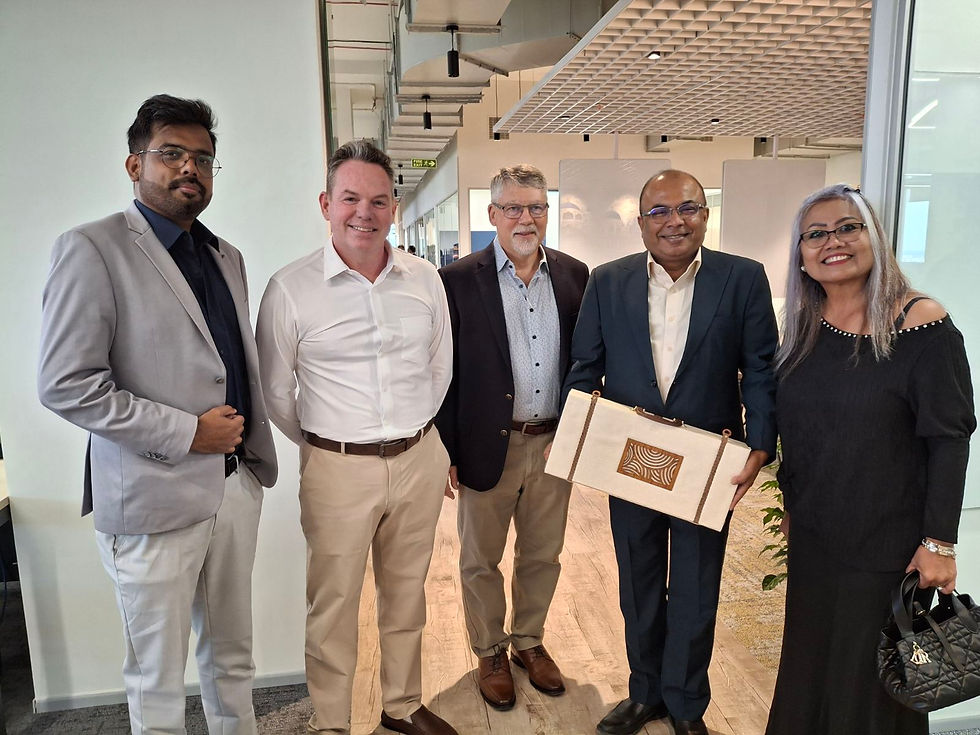
Held on April 30 during the second day of the event, the panel discussion explored the topic “Navigating International Markets: Strategies for International Growth.” The session was moderated by Senior Architect Jones Matos and featured panelists Duncan Archibald, Bonnie Shek, and Wynne Pineda, bringing together perspectives from both the private and public sectors.
For Forsspac, the discussion reflected many of the realities we continue to see across the Australian architecture, engineering, and construction sectors.

Understanding the Demands of the Australian Market
With over 20 years of experience across architecture, design, and construction, Wynne has played a key role in strengthening Forsspac’s relationships within the Australian architectural and design consultancy sectors. Her background spans business development, project coordination, client relationship management, and international project delivery.
During the session, Wynne highlighted that while Australia remains one of the world’s most attractive construction markets, it is also one of the most demanding.
Strong activity continues across infrastructure, healthcare, residential, education, and transport projects throughout Australia. Wynne specifically pointed to Sydney’s ongoing infrastructure and mixed-use development activity, Brisbane’s Olympics-driven project pipeline, and Melbourne’s continued population growth and housing demand as key areas currently shaping the market.
At the same time, these remain highly competitive sectors where delivery expectations are exceptionally high. Many firms are balancing increasing documentation workloads, BIM coordination complexity, evolving compliance requirements, and ongoing resourcing pressures.
As discussed during the panel, success in the Australian market is becoming less about price and more about credibility, compliance, and how effectively teams can integrate into existing project environments.
“The Australian market places a strong emphasis on trust, accountability, and reliability,” Wynne emphasised during the discussion. “Clients want confidence that teams can deliver consistently and work as part of the broader project environment, not separately from it.”
Moving Beyond the Traditional Outsourcing Model
One of the strongest themes throughout the discussion was the need to rethink how international delivery is positioned within the AEC industry.
At Forsspac, we do not view international support as a transactional outsourcing model focused purely on reducing cost. Instead, we see it as an integrated technical delivery partnership that supports architectural and engineering teams across the full project lifecycle.
This includes architectural documentation support, BIM coordination, multidisciplinary collaboration, QA-driven production systems, and dedicated technical teams that work within Australian project workflows and delivery standards.
In practice, this often means supporting firms during high-pressure documentation phases, assisting internal teams with BIM production and coordination, or helping practices scale delivery capacity without overextending permanent headcount.
The close time-zone alignment between the Philippines and Australia also allows for more integrated communication, same-day coordination, and faster revision turnaround during active project stages.
BIM, Coordination, and Integrated Delivery
As projects continue becoming more digitally coordinated and multidisciplinary in nature, BIM capability is also becoming increasingly important across Australian project delivery.
During the discussion, Wynne spoke about the growing importance of integrated coordination between architecture and MEP disciplines, particularly on larger and more complex projects where documentation quality and clash reduction directly impact delivery efficiency.
Rather than operating as separate drafting silos, integrated delivery models allow architectural and engineering teams to coordinate earlier, resolve issues sooner, and maintain stronger alignment throughout the documentation process.
This becomes especially valuable on projects with high documentation volume, complex services coordination, or accelerated delivery programs.
Just as importantly, structured QA processes, BIM standards alignment, and clear communication remain critical to maintaining consistency across international project teams.
The Human Side of International Collaboration
Alongside technical capability, the session also explored the cultural and relationship-driven side of international delivery.
When asked what advice she would give to Filipino consultants who may feel hesitant communicating with foreign clients, Wynne emphasised the importance of confidence, initiative, and professional openness.
While many Asian cultures naturally encourage humility and reserved communication styles, international collaboration often depends on proactive communication, responsiveness, and the willingness to contribute ideas clearly and professionally.
“Foreign clients generally value honesty, preparation, and reliability more than having a perfect communication style,” Wynne explained during the discussion. “With regular interaction and experience, confidence develops naturally.”
The discussion also touched on increasing global competition within the international delivery market. As more firms compete primarily on price, maintaining quality, accountability, and long-term client trust becomes even more important.
For Forsspac, this reinforces the importance of focusing on delivery quality, coordination, and long-term working relationships rather than short-term cost positioning.
Building Long-Term Delivery Partnerships
One of the key takeaways Wynne shared was three words that continue to guide successful international teams: efficiency, competence, and resilience.
These qualities are becoming increasingly important as Australian firms navigate growing project demands, evolving digital workflows, and more complex coordination environments.
Participating in discussions like Sydney Build is an important part of Forsspac’s continued commitment to the Australian market. As we continue building relationships across architecture, BIM, engineering, and construction consultancy sectors, our focus remains on supporting firms with integrated technical delivery capability that strengthens project teams and helps maintain consistent project outcomes.
Because ultimately, successful international growth is not simply about accessing additional resources.
It is about building trusted partnerships that can deliver reliably over the long term.



Comments